
Repair-first roofing · CSLB #1030917
You’ll see what’s wrong before you’re asked to pay for it.
Every inspection gets recorded, so you watch the failure yourself instead of taking a stranger’s word for it. Half the time what the footage shows is smaller and cheaper than what you were told. Concrete tile lasts fifty years. The felt underneath it gets twenty-five in Valley heat.
- 714Google reviews
in Fresno alone - 4.8★Across four
California markets - GAFMaster Elite
certified - 0%Financing available
on approved credit
- Every inspection recorded — you keep the video either way
- Written flat-rate price — not a range that moves once we’re up there
Free for homeowners. $299 for real estate transaction inspections.
0% APR available from six months up to five years on approved credit. Longer terms available at 4.99% APR up to 12 years. Rates and terms vary by qualification.
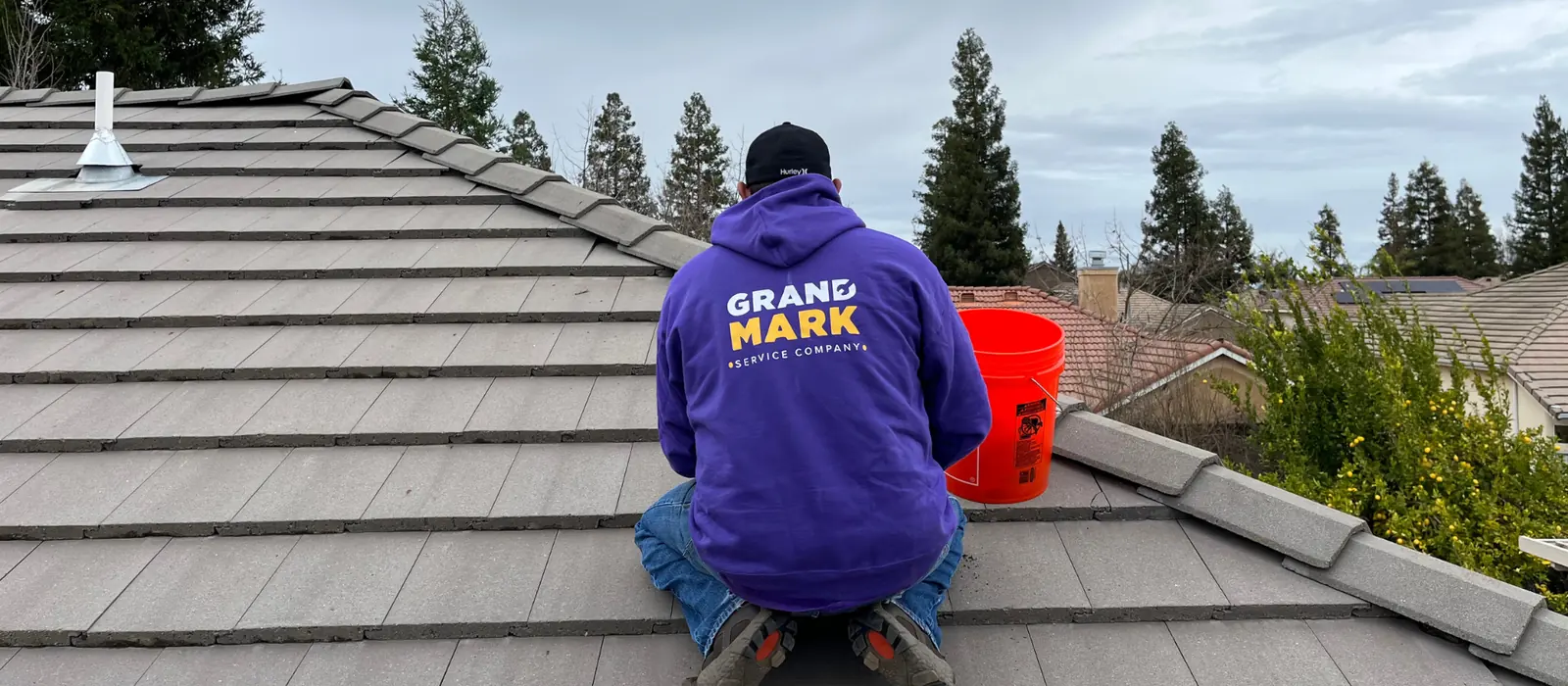
Start with a diagnosis
Two minutes, three questions. Tell us what’s happening and we’ll route you to the nearest crew.
Free · No obligation · We route you to the nearest crew
The quote in your hand
A roof isn’t a layer. It’s the top of a system.
Everything above your ceiling works as one thing. The framing carries the load. The deck ties it together. The underlayment does the actual waterproofing — tile is armour, not a seal. Flashings handle every place the roof gets interrupted by something. And underneath all of it, air is supposed to be moving.
Change one and you’ve changed the rest.
Which is why the felt on an eighties tract home in Clovis is finished at twenty-two years when the spec sheet says longer. It isn’t failing from rain. It’s cooking — sun on top, and an attic underneath running 140 degrees in July because there are exhaust vents up high and nothing pulling air in down low. The tile shrugs that off. The felt doesn’t.
Now watch what usually happens next. Somebody strips the roof, lays new felt, puts the tile back, and never looks at the soffits. Same house. Same attic. Same 140 degrees. Twenty years on, you’re standing in the driveway holding the same quote you’re holding now.
So the first question isn’t what goes on top. It’s what’s underneath, and why the last one died when it did.
“We had three different roofing companies visit… Two visited both the attic and the roof and one just looked at the roof. Eduardo visited the roof and attic and discovered issues that the other two did not.”
— Keith Putirka · Google review, Fresno
Sometimes the answer is smaller than you were told. On these tract homes the tile is usually fine — fifty years, some of it will outlive the house — and only what’s under it has failed. Lifting the tile, stacking it, replacing the underlayment and putting the same tile back runs $14,000–$20,000 on a typical 2,000–2,500 sq ft Fresno or Clovis home. A full tear-off with new tile on that same house is $25,000–$40,000, depending on tile type, slope, and how many roof planes you’ve got.
You keep the tile. You save ten to twenty thousand dollars. But only if whoever’s up there fixed the reason the underlayment cooked in the first place — otherwise you’ve bought the same twenty-two years over again.
Ask whoever’s holding the clipboard which job they’re quoting you, and what they intend to do about the attic. If they haven’t been under the tile, they don’t know yet. Here’s what a lift-and-relay actually involves.
Proof, not promises
You shouldn’t have to make a stranger prove himself
Every piece of consumer advice about hiring a roofer says the same thing: make them show you photos of the actual damage. It’s good advice. Almost nobody follows it, because asking a stranger on a ladder to prove himself feels rude, and most people don’t.
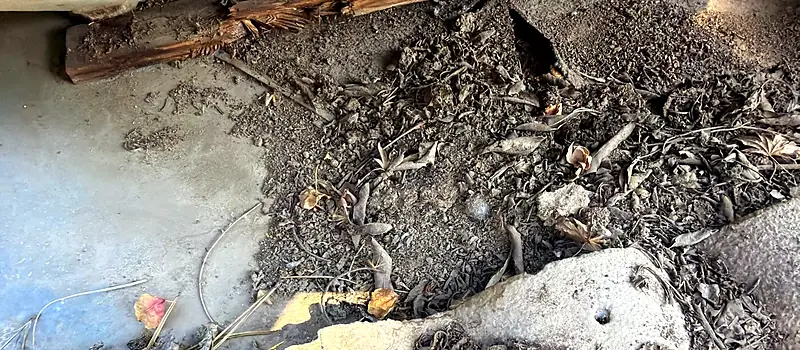
So we took it out of your hands. Every inspection gets recorded. You see the lifted flashing, the split valley, the felt crumbling under a tile that’s still perfectly sound. Then you decide, with the same information we have.
Sometimes the footage shows nothing much is wrong. We tell you that too, and we go.
If you’re holding a replacement quote right now, get a second inspection before you sign.
What we don’t skip
What you’ll never see decides how long it lasts
Nobody sells you on any of this, because you can’t see it from the driveway. It’s the whole difference between a roof that goes the distance and one that comes back.
Underlayment
Synthetic, and doubled where the situation calls for it rather than where it’s convenient. Where the deck or the detail is already compromised, ice-and-water shield goes down. On flat and low-slope, single-ply membrane with clad metal, heat-welded — welded, not glued, not coated over the top of a problem.
Ventilation
Code compliance, and that means both halves. Intake low, exhaust high. Ridge vents with nothing feeding them from the eave don’t ventilate anything — they just look like ventilation. Getting this right is what keeps the next underlayment from dying early, so it isn’t an upsell, it’s part of the roof.
Flashings and valleys
Twenty-four inch metal in the valleys, and the shingle doubled through it. There’s a faster way to run a valley. We don’t use it. Valleys and flashings are where roofs actually leak, not out in the open field.
The deck
We don’t cover anything up. If there’s dry rot under that tile, you’re going to know about it — on video, before we talk about price. A roof laid over rotten sheathing looks identical to a good one on the day it’s finished.
Fasteners and battens
The crews regulate their gun pressure to the temperature they’re working in, because a nail that’s overdriven or standing proud is a fastener that failed on day one. Elevated battens where the design calls for them. None of this is visible when we leave. It’s still done right.
The corrections nobody quotes for
Does it need a cricket or a saddle behind that chimney? Is water being dumped against a wall instead of into a gutter? Is the overhang missing where it should be throwing water clear of the fascia? Those aren’t extras — they’re the reasons a roof fails early, and they get looked at on every inspection.
The rest of the house
A roof job touches more than the roof
We’re a roofing company. We’re also aware that the roof isn’t sitting there by itself.
If there’s a package unit up there, it has to come up and go back — and while it’s off, we can see the ductwork. Sometimes that ductwork is crushed, or open, or something has been living in it. That’s your air, and it’s worth knowing about whether or not it’s our scope.
If you have solar, those panels are bolted through the roof. Whether the right brackets and mounts were used is not a small question, and it’s the difference between a roof that lasts and a grid of penetrations that leak one at a time. We handle the removal and reset ourselves, electrical included, so one company owns the job start to finish instead of three companies pointing at each other.
None of that makes us your general contractor. It means when we’re on your house we’re looking at the house, and you get told what we found.
Three roofs, three answers
Not every roof needs the same job
Most homeowners land in one of these three. The inspection tells you which, and we quote that — not the biggest one.
One stain, one cause
A ceiling stain is usually one flashing, one valley, one penetration. Most single-issue repairs land at $800–$1,500. Nobody needs a new roof because of one leak.
How we track down a leak →Good tile, dead felt
The 80s and 90s tract homes across Fresno, Clovis and Visalia. Tile’s fine, underlayment’s finished. Lift it, replace what’s under it, put the same tile back.
What lift-and-relay costs →Genuinely done
Third patch this winter, soft deck, repairs chasing each other around the roof. Then replacement is the honest answer and we’ll say so plainly. Repair-first doesn’t mean pretending.
When replacement is the right call →Where we work
Four California markets, our own crews in all of them
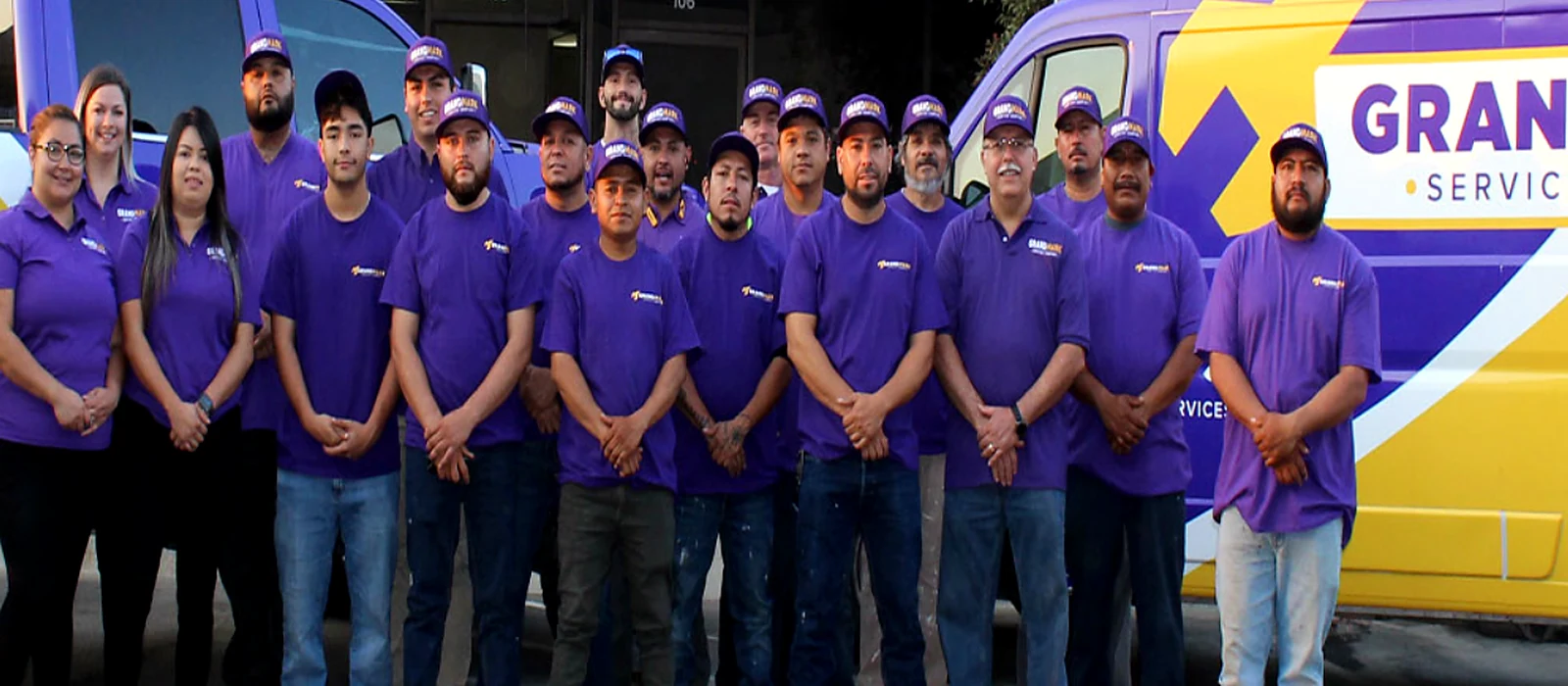
Family-owned, no subcontracted crews, and the same crew on your roof from start to finish. We can hold on to good roofers because we keep them working year-round — which is most of why the work looks the same in August as it does in February. More on who we are and how we got here.
Fresno & Clovis
Our anchor market. Tract tile country — Clovis, Madera, Sanger, Selma and the foothills.
Roofing in Fresno →Visalia & Tulare
Tulare and Kings County, including Tulare and Hanford. Same crews, same standard.
Roofing in Visalia →Sacramento
Older Sacramento core plus the newer tract in Roseville, Rocklin, Folsom, Elk Grove and Citrus Heights.
Roofing in Sacramento →Bakersfield
Crews dispatched across Kern County for repairs, inspections and replacements.
Roofing in Bakersfield →Verified reviews
What California homeowners say
980+ verified Google reviews across four California markets, at 4.8 stars — 714 of them on the Fresno profile alone. Read every roofing review we’ve earned →
“Found out our slopes/valleys were compromised along with 25 other roofing tiles that were cracked or completely broken… They lifted tiles and found the compromised areas that were going to soon cause major problems and water damage.”
“The crew worked in a very structured way, laying out materials neatly and keeping the site organized… The final result looks clean and even, and the house feels noticeably cooler during afternoon heat compared to before.”
“Angel and Antonio are efficient with a great work ethic. Antonio the project manager is communicative and you are given frequent updates until completion of job.”
Straight answers
Frequently asked questions
Is the free inspection really free?
For homeowners, yes — there’s no charge and no obligation, and you keep the video either way. The one exception is an inspection for a real estate transaction, which is $299, because that’s a written report on a deadline for someone else’s file. We’d rather tell you that up front than surprise you.
How do I know whether I need underlayment or a whole new roof?
Somebody has to get under the tile. From the ground, and even from on top, a roof with good tile and failed underlayment looks identical to a roof at the end of its life. We lift tile in a few representative spots, record what’s under there, and show you. If the tile’s sound and the felt is gone, that’s a lift-and-relay. If the deck is soft or the tile itself is breaking up, that’s a different conversation and we’ll have it honestly.
Do you use your own crews or subcontractors?
Our own. We don’t subcontract roofing work out, except where a scope genuinely requires a specialist trade. The crew that starts your roof is the crew that finishes it.
What warranty comes with the work?
Ten years on workmanship as standard, with extended coverage available up to twenty-five depending on the system installed. We’re GAF Master Elite and Owens Corning Preferred, which is what makes the longer manufacturer coverage available in the first place. Commercial warranties are handled per project.
Do you cover my city?
We work out of four California markets: Fresno and Clovis, Visalia and Tulare, Sacramento and its suburbs, and Kern County out of Bakersfield. That includes Madera, Sanger, Selma, Hanford, Roseville, Rocklin, Folsom, Elk Grove and Citrus Heights, plus the Fresno County foothills. If you’re not sure, put your address in the form and we’ll tell you straight away.
Book the inspection. Decide after you’ve watched it.
Two minutes to book. A recorded inspection, a written flat-rate price, and an honest answer about whether you need the job you were quoted. If you’re already holding a replacement quote, this is the moment to get a second inspection.